
Electrical Safety • Cypress, CA
Why Does My Circuit Breaker Keep Tripping? Common Causes & Solutions
If your circuit breaker keeps tripping, it’s telling you something isn’t safe. While an occasional trip can happen when too many appliances are running on the same circuit, repeated tripping often points to a larger issue, such as an overloaded circuit, a faulty appliance, damaged wiring, or even a failing breaker. Because the breaker is designed to prevent overheating and electrical fires, repeatedly resetting it without finding the cause isn’t a long-term solution. In this guide, we’ll explain the most common reasons a circuit breaker keeps tripping, how to narrow down the source of the problem, and when it’s time to call a licensed electrician.
Call Clear View Electrical: (562) 445-3551
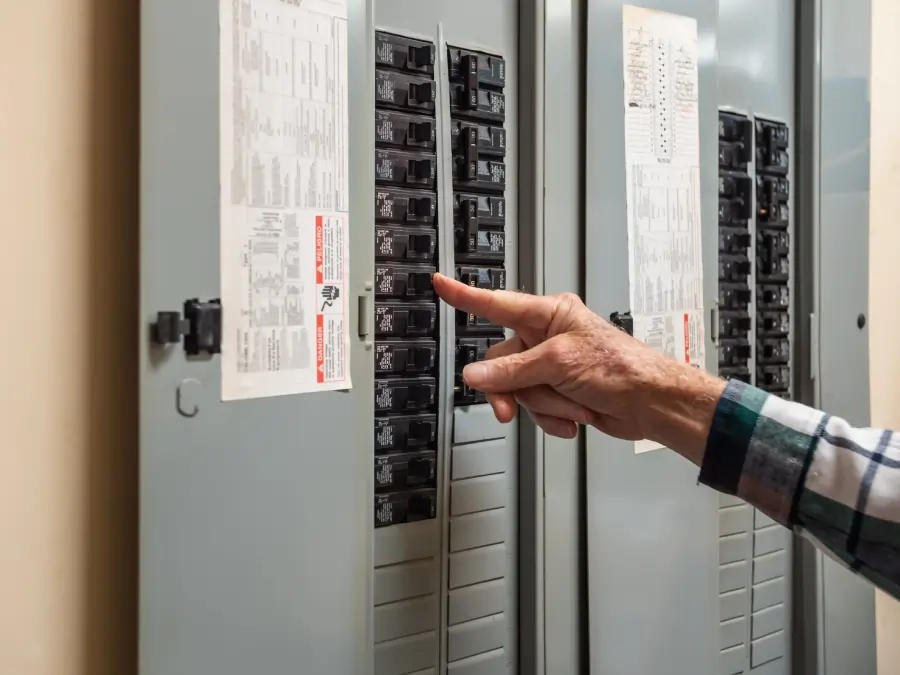
What Circuit Breaker Tripping Actually Means
A tripping circuit breaker isn’t a malfunction. It’s the breaker doing its job. When the current on a circuit climbs to an unsafe level, the breaker switches off to stop the flow before the wire overheats. Faulty and overloaded wiring is a leading cause of home fires, which is exactly why this protection matters, a point the NFPA underscores in its guidance on electrical safety.
Circuit breakers generally react to three basic problems: too much current draw, known as an overload; a direct fault between wires, known as a short circuit; and current escaping to ground, known as a ground fault. Figuring out which one is happening is the first step toward a lasting fix instead of a repeated reset.
- Too much current draw, known as an overload
- A direct fault between wires, known as a short circuit
- Current escaping to ground, known as a ground fault
Common Causes of Circuit Breaker Tripping
Most cases of circuit breaker tripping trace back to one of five causes. Here is how each one looks and why it happens.
Circuit Overload
An overloaded circuit is the most common reason a breaker trips. It happens when the devices on one circuit draw more current than the circuit is rated to carry, so the breaker shuts off to protect the wiring. You’ll often notice the trip after several minutes of heavy use, or the moment you switch on one more high-draw appliance like a space heater, microwave, or hair dryer. The lasting fix is to spread the load across more circuits or add a dedicated circuit for that hungry appliance.
Short Circuit
A short circuit happens when a hot wire touches a neutral wire or another hot wire, creating a sudden surge of current and an instant trip. Warning signs include a buzzing sound, a burning smell, or scorch marks around an outlet, switch, or appliance cord. A short circuit is a serious hazard and should be inspected quickly through professional electrical repair rather than repeated resets.
Ground Fault
A ground fault occurs when a hot wire contacts a grounded surface, such as a metal box or water. These faults are common in damp areas like kitchens, bathrooms, garages, and outdoor outlets, which is why code requires GFCI protection there. If a GFCI outlet or breaker keeps tripping, it is usually detecting moisture, a worn device, or a wiring fault that needs attention.
Arc Fault
An arc fault is dangerous arcing caused by damaged, loose, or aged wiring, and AFCI breakers are built to detect it. Arc faults show up most often in older homes with worn insulation or brittle connections. Frequent AFCI trips can be an early signal that the wiring itself is failing and may need repair or a full home rewire.
A Failing Breaker or Undersized Panel
Breakers wear out with age and repeated tripping, and an old or undersized panel simply cannot keep up with modern electrical demand. If a breaker trips even after you remove the load, the breaker or the panel is often the culprit. The fix may be a straightforward circuit breaker installation or, when the whole panel is maxed out, an electrical panel upgrade.
Common Causes
- Circuit Overload
- Short Circuit
- Ground Fault
- Arc Fault
- A Failing Breaker or Undersized Panel
Takeaway
t=The five usual breaker tripping culprits each leave a signature. Overloads trip under heavy use, short circuits trip instantly with buzzing or scorch marks, ground faults trip GFCIs in wet areas, arc faults trip AFCIs on damaged wiring, and a failing breaker or undersized panel keeps tripping even after you remove the load.
How to Diagnose a Tripping Breaker
If you suspect that you’re dealing with a tripping breaker, it’s best to call a professional electrician out for diagnosis and repair. In the meantime, you should:
- Note which breaker tripped and what it controls, then label it if it is not already marked.
- Unplug or switch off everything on that circuit, then reset the breaker one time.
- If it holds, plug items back in one at a time until the breaker trips again to find the culprit device.
- Use the timing as a clue: an immediate trip on reset points to a short circuit or ground fault, while a trip after several minutes of load points to an overload.
- Stop and call a licensed electrician if you smell burning, see scorch marks, feel a warm panel, or the breaker will not reset, guidance echoed by the CPSC in its home electrical safety resources.
Takeaway
isolate the circuit and reset once, then add devices back one at a time. An immediate trip usually means a short or ground fault, a delayed trip means an overload, and any burning smell or warm panel means it is time to call a pro.
Tripping Circuit Breaker Solutions and When to Call an Electrician
Some fixes are safe for homeowners, while others require a licensed electrician. If the cause is a simple overload, you can redistribute devices, avoid running several high-draw appliances on one circuit, and reset the breaker a single time. That solves many everyday trips without any tools.
Always call a licensed electrician when the problem points to the wiring or the panel. Professional solutions for these types of issues include adding a dedicated circuit for a heavy appliance, replacing a worn breaker, upgrading an undersized panel, repairing a short or arc fault, and adding whole-home surge protection to guard against spikes that stress your system. Professional diagnosis will help you determine the best way forward in your specific case.
In some cases, repeatedly tripping circuit breakers are an emergency. If you’re dealing with a burning smell, a hot or discolored panel, visible sparks, or a breaker that trips repeatedly and will not reset; pt for fast, professional emergency service rather than another reset.
Same-Day Electrical Service
Need Help With Circuit Breaker Tripping?
Clear View Electrical serves Cypress and Orange County with same-day service, flat-rate pricing, and licensed W-2 electricians.
FAQs
Frequently Asked Questions
Is it safe to keep resetting a breaker that keeps tripping?
No, repeatedly resetting a tripping breaker is not safe. The breaker is warning you of an overload or a fault, and forcing it back on can overheat the wiring and create a fire risk. Reset it once, and if it trips again, find the cause or call a licensed electrician.
Why does my breaker trip when nothing is plugged in?
A breaker that trips with nothing plugged in usually points to a short circuit, a ground fault in the wiring, or a failed breaker rather than an overload. Because the fault is inside the wiring or the device itself, it needs a professional diagnosis to locate and repair safely.
What is the difference between an overload and a short circuit?
The difference is the cause. An overload is too many devices drawing power on one circuit, so it trips after sustained use, while a short circuit is a direct wire-to-wire fault that trips instantly, often with a buzzing sound or a burning smell.
Can a tripping breaker cause a fire?
A working breaker helps prevent fires by cutting power during a fault. The real danger comes from ignoring repeated trips or bypassing the breaker, which lets wiring overheat. Treat frequent tripping as a signal to find and fix the underlying cause.
Can a circuit breaker trip for no reason?
A circuit breaker rarely trips for no reason. There is almost always an underlying cause, such as an overload, a short circuit, a ground fault, or a worn breaker. If the trigger is not obvious after basic troubleshooting, a licensed electrician can test the circuit and panel to pinpoint it.
Should I replace a breaker that keeps tripping?
You should replace a breaker only after ruling out an overload or a wiring fault, since the breaker is often doing its job correctly. If testing shows the breaker itself is worn or failing, a licensed electrician can install a properly sized replacement that holds safely.
The Bottom Line
Persistent circuit breaker tripping is your electrical system flagging a problem worth solving, from a simple overload to a wiring or panel issue that needs a professional. When basic troubleshooting does not stop the trips, a licensed electrician can diagnose the root cause and recommend the right fix. Explore our full range of electrical services to keep your home safe and reliably powered.
Still Flickering? Call Clear View Electrical.
Licensed electricians, same-day service, flat-rate pricing—no callbacks, no guessing, no hourly surprises.
Fast, reliable electrical services across Greater Los Angeles, South Bay, Inland Empire, San Fernando Valley, and Orange County.